Why Specialized Memory Care Is Better Than General Senior Living
Business Name: BeeHive Homes of Plainview
Address: 1435 Lometa Dr, Plainview, TX 79072
Phone: (806) 452-5883
BeeHive Homes of Plainview
Beehive Homes of Plainview assisted living care is ideal for those who value their independence but require help with some of the activities of daily living. Residents enjoy 24-hour support, private bedrooms with baths, medication monitoring, home-cooked meals, housekeeping and laundry services, social activities and outings, and daily physical and mental exercise opportunities. Beehive Homes memory care services accommodates the growing number of seniors affected by memory loss and dementia. Beehive Homes offers respite (short-term) care for your loved one should the need arise. Whether help is needed after a surgery or illness, for vacation coverage, or just a break from the routine, respite care provides you peace of mind for any length of stay.
1435 Lometa Dr, Plainview, TX 79072
Business Hours
Families usually start the search with an easy inquiry: where will Mom or Dad be safe, comfortable, and well looked after? Initially glimpse, basic senior living can resemble the noticeable answer. The setups are often eye-catching, the houses feel homey, and the guarantee of support sounds calming. Yet when amnesia goes into the picture, the requirements change in ways that are very easy to take too lightly till you are living them every day.
That is where specialized memory care stands apart. It is not simply senior coping with a locked door or a few extra suggestions. Excellent memory care is built around the real-world rhythms of dementia, Alzheimer's disease, and various other cognitive changes. The distinction appears in the information, from the method BeeHive Homes of Plainview memory care near me staff strategy a baffled resident to the method the dining-room is set up, the corridors are marked, and the everyday routine is shaped.
For family members contrasting senior care alternatives, that difference can be the line between a resident merely getting by and a resident living with even more calm, self-respect, and consistency.

When memory loss adjustments everything
Memory loss does not comply with a neat manuscript. A single person might neglect names but still manage their morning regimen. One more may become dizzy in the mid-day, wander in the evening, or struggle to acknowledge an acquainted face after a negative day. That changability is exactly why conventional senior living can fall short.
Most basic senior living neighborhoods are developed for older adults that need aid with meals, housekeeping, transport, or medication tips, but that can still navigate the day with relatively little cueing. They may be warm, well-run communities, and for lots of people they are the ideal fit. The obstacle comes when a resident begins to need more than assistance. They might need guidance that is consistent however not intrusive, repeated reassurance without stress, and staff that understand exactly how to react when logic no more works.
I have seen family members presume that a move right into senior living near me would certainly solve whatever, only to uncover that the individual they like requires a really various environment. A gentleman with early dementia could do fine for months in general assisted living, then start leaving the building, perplexing meal times, or ending up being troubled by a lot of options. A woman with Alzheimer's might appear secure till she is placed in a setting filled with excitement, strangers, and routine changes. What appears like light confusion from the exterior can come to be daily distress inside the incorrect setting.
Specialized memory care is developed keeping that fact in mind.
The atmosphere is constructed for the mind that is changing
A solid memory care area or neighborhood is not merely a smaller variation of elder care real estate. The physical setting does genuine work. Corridors are less complicated to review. Typical spaces are arranged to lower complication. Lights is steadier. Aesthetic mess is limited. Signage frequently utilizes words and images together so a resident can locate the dining room, bathroom, or their very own apartment much more easily.
These layout choices might appear small, however they matter more than the majority of people realize. Somebody living with dementia can become anxious when every hallway looks the same or when mirrors, shadows, and sound make the setting feel unfamiliar. Even a well-meaning relocate to a huge, busy senior living area can develop a consistent undercurrent of stress.
Specialized memory care likewise has a tendency to pay close attention to limits, wandering threats, and changes. A resident might do far better in a setting where outside locations are secured but still positive, and where there is space to stroll safely without feeling constrained. The factor is not to restrict life. The point is to remove the catches that memory loss embed in daily spaces.
Families looking for memory care near me are often stunned by just how much these environmental information influence actions. The individual that seemed upset at one area might be calmer at another just because the area is simpler to recognize. That is not a small thing. It can change rest, hunger, social interaction, and the amount useful a resident needs.
Staff training transforms the top quality of everyday life
The greatest distinction between memory care and general senior living is frequently not the furnishings or the layout. It is the staff.
In specialized memory care, caretakers are educated to recognize the patterns of cognitive decrease. They know that an individual that refuses bathing may not be stubborn, but terrified. They understand that repeated concerns might be a bid for confidence, not inflammation. They are most likely to utilize redirection, validation, and tranquil regimens as opposed to trying to reason with a person whose temporary memory is failing.
That sort of training issues due to the fact that dementia does not just affect memory. It can affect language, timing, judgment, impulse control, and the capability to process multiple instructions. A caretaker in memory care discovers to break jobs right into smaller actions, approach gradually, and maintain self-respect even when a resident is having a difficult moment.
In general senior living, team may be exceptional at helping with drug reminders, housekeeping, and meals, but they might not have the same depth of experience with behavior signs and symptoms or progression of disease. That can create avoidable friction. A resident might be identified as hard when they are actually bewildered. A household might be informed their loved one is "just having a negative day" when the behavior is truly an indicator that the current setting is no more enough.

Specialized memory care uses more than perseverance. It supplies pattern acknowledgment. That is the difference in between reacting to each event as if it were separated and understanding the wider photo of what a resident is communicating.
Routine is not dull when memory is fragile
People typically presume memory care is limiting since a lot of it focuses on routine. In method, routine is just one of one of the most generous things a community can offer somebody with memory loss.
When a resident understands what occurs after breakfast, where they will rest for lunch, and when music or workout happens each afternoon, their nerves obtains a break. Predictability reduces anxiety. It additionally decreases the number of decisions an individual has to make, and decision tiredness is real when cognition is compromised.
General senior living areas might offer a lot of activities, yet they typically rely upon the resident to self-direct. That functions well for somebody who is independent and socially interested. It can backfire for somebody that forgets consultations, becomes dizzy, or feels humiliated asking the very same inquiry repeatedly.
Memory care generally uses more organized interaction, with much shorter activity home windows, acquainted hints, and repeating that feels calming instead of buying. A resident may not bear in mind the name of the group exercise class from yesterday, however they may still react to the songs, the activity, and the familiar face leading it. A good program areas that. It does not demand best recall to make participation meaningful.
That is one factor households discover less strained nights in specialized memory care. A foreseeable day often tends to generate a steadier night.
Social life looks various, which matters
One of one of the most painful parts of dementia is social mismatch. An individual may look physically fine, speak clearly in short ruptureds, and yet struggle to follow discussions in a general senior living dining room. When everybody around them is discussing existing events, grandchildren, or itinerary, they may feel lost and take out. With time, that withdrawal can resemble clinical depression or apathy.
Memory care environments are usually much more deliberate regarding developing social minutes that are easier to sign up with. The activities are commonly smaller, the discussions a lot more directed, and the atmosphere less competitive. That does not mean locals are dealt with like youngsters. It suggests the team comprehends that link needs to be made at the level the individual can still access.
A resident that can no longer track a long discussion might still appreciate folding towels, humming along to a familiar track, or viewing a horticulture demo. A previous educator might illuminate when asked to sort books. A retired auto mechanic might clear up in when shown a handful of old devices and invited to discuss them. These minutes look small from the outdoors, however they are the building blocks of identity.
General senior living can definitely use great activities, yet memory care is much better matched to citizens that require social interaction that does not rely on undamaged memory or fast discussion. That difference is extensive. Solitude in dementia does not constantly resemble resting alone. Often it resembles remaining in a space filled with individuals and still really feeling unreachable.
Safety is more than protecting against a fall
Safety in elder care is often reviewed in terms of falls, drug monitoring, and emergency response. Those are important, however memory loss introduces extra layers of risk.
A resident with dementia might neglect to consume, might try to leave trying to find a long-dead parent, might make use of house items unsafely, or may become distressed and roam after dark. They may misinterpret a stove, a washroom indication, or a call switch. They may also be vulnerable to overmedication if symptoms are not recognized correctly.
Specialized memory care is established to reduce these dangers prior to they become situations. Staff are most likely to observe refined modifications in habits, hunger, or flexibility. Medication routines are tighter. Meal support is a lot more hands-on. Guidance is much more regular without being punitive.
This is especially vital for family members that have tried to take care of care at home for as lengthy as feasible. Lots of grown-up kids offer remarkable assistance before making the relocation, and they commonly become experts at crisis prevention out of need. Even so, home care can just extend until now. At some time, the safety issues are no more periodic, they are daily. That is normally the minute families start taking a look at respite care, memory care, or a more specialized form of senior care.
A safe, attentively designed setup is not regarding taking liberty away. It is about protecting the freedom to move with the day without constant danger.
The emotional worry on families gets lighter, yet not since they care less
Families commonly really feel guilty when they begin contrasting memory care with basic senior living. They worry that choosing a specialized setting implies admitting they can not handle the situation in the house, or that they are surrendering ahead of time. In truth, several families wait longer than they should due to the fact that they are trying to recognize a guarantee no person individual can maintain alone.
Memory loss impacts the entire family system. Spouses end up being exhausted. Adult children end up being coordinators, protectors, and on-call trouble solvers. Siblings disagree concerning care choices. Holidays begin focusing on that can cover what. Even simple visits develop into monitoring sessions.
An excellent memory care area can take in a lot of that pressure. Family members still get involved, of course, but they do not need to lug every detail. They can visit as a daughter, husband, or kid again, not only as the person monitoring medications and safety concerns.
That psychological change issues. I have seen family members describe the very first couple of weeks after a relocation as an odd mix of pain and relief. They grieve the loss of the old life, yet they additionally rest far better. They quit supporting for midnight straying or emergency situation telephone calls. They observe that visits are much more loosened up due to the fact that they are hanging out with each other instead of continuously fixing or going after problems.
That is among the least discussed advantages of specialized memory care. It gives the family connection room to breathe.
When basic senior living is still the appropriate answer
To be reasonable, memory care is not instantly better for every single older grownup. If a person is mostly independent, has only light lapse of memory, and prospers in an extra open social setup, general senior living might be the much better fit. It can supply more freedom, more comprehensive way of life selections, and a much less organized rhythm. Some people with extremely early cognitive modifications succeed for a while in assisted living, specifically if they have solid family assistance and a neighborhood that knows them well.
The inquiry is not which establishing sounds more remarkable. The question is whether the setting matches the real demands of the person.
A resident who still picks meals, takes care of personal routines, and gets involved pleasantly in diverse activities might not need memory care yet. However if complication begins impacting safety, if anxiousness increases in active settings, or if the person can no longer gain from normal reminders, the equilibrium shifts. By then, specialized memory care is usually not just the more secure choice. It is the kinder one.
What to seek if you are visiting communities
If you are contrasting memory care with general senior living, it helps to watch just how people interact more than just how the sales brochure looks. A refined lobby informs you really little. The tone of the personnel, the peace of locals, and the method concerns are responded to inform you much more.
During a visit, focus on whether team talk slowly and pleasantly, whether homeowners seem oriented and engaged, and whether the environment feels soothing rather than overstimulating. Ask how the community deals with straying, bathing resistance, nighttime confusion, and adjustments in hunger or mood. Ask just how commonly families are updated and what kind of support is readily available if a resident's condition modifications. If you are comparing choices for memory care near me, these conversations are often more useful than the marketing language.
You must additionally ask what takes place when a resident's demands raise. Some neighborhoods can support an individual via a modest phase of memory loss however not with a higher-support phase. Others are constructed for a broader series of requirements. Recognizing that early can prevent one more turbulent action later.
When touring, it additionally aids to see the ordinary things. Are locals resting with objective, or simply parked in front of a tv? Do staff recognize names and preferences? Does the dining experience appearance rushed or constant? These little information expose whether the community understands elder care as a lived experience or simply a solution line.
The genuine difference is not simply care, it is fit
The expression "specialized memory care" can appear technical, practically clinical. In practice, it boils down to fit. People with dementia do far better when the atmosphere, personnel approach, daily rhythm, and safety systems match the method their minds are working now, not the means they made use of to work years ago.
General senior living can be a great home for several older grownups. It uses freedom, community, and assist where required. But once memory loss becomes main, the demands change enough that a general model often can not maintain without stress. Specialized memory care closes that space. It offers residents a place where confusion is anticipated, not evaluated, and where support is developed into the structure of everyday life.
For family members considering senior living near me choices, that distinction can conserve months of irritation. Extra notably, it can provide a loved one a life that feels steadier and even more humane.
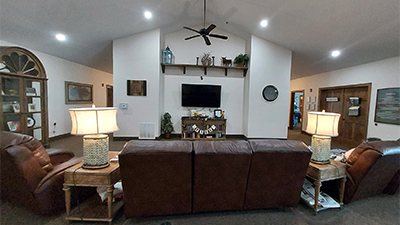
When memory changes the map, the best area is the one designed for that new territory.
BeeHive Homes of Plainview provides assisted living care
BeeHive Homes of Plainview provides memory care services
BeeHive Homes of Plainview provides respite care services
BeeHive Homes of Plainview supports assistance with bathing and grooming
BeeHive Homes of Plainview offers private bedrooms with private bathrooms
BeeHive Homes of Plainview provides medication monitoring and documentation
BeeHive Homes of Plainview serves dietitian-approved meals
BeeHive Homes of Plainview provides housekeeping services
BeeHive Homes of Plainview provides laundry services
BeeHive Homes of Plainview offers community dining and social engagement activities
BeeHive Homes of Plainview features life enrichment activities
BeeHive Homes of Plainview supports personal care assistance during meals and daily routines
BeeHive Homes of Plainview promotes frequent physical and mental exercise opportunities
BeeHive Homes of Plainview provides a home-like residential environment
BeeHive Homes of Plainview creates customized care plans as residents’ needs change
BeeHive Homes of Plainview assesses individual resident care needs
BeeHive Homes of Plainview accepts private pay and long-term care insurance
BeeHive Homes of Plainview assists qualified veterans with Aid and Attendance benefits
BeeHive Homes of Plainview encourages meaningful resident-to-staff relationships
BeeHive Homes of Plainview delivers compassionate, attentive senior care focused on dignity and comfort
BeeHive Homes of Plainview has a phone number of (806) 452-5883
BeeHive Homes of Plainview has an address of 1435 Lometa Dr, Plainview, TX 79072
BeeHive Homes of Plainview has a website https://beehivehomes.com/locations/plainview/
BeeHive Homes of Plainview has Google Maps listing https://maps.app.goo.gl/UibVhBNmSuAjkgst5
BeeHive Homes of Plainview has Facebook page https://www.facebook.com/BeeHivePV
BeeHive Homes of Plainview has an YouTube page https://www.youtube.com/@WelcomeHomeBeeHiveHomes
BeeHive Homes of Plainview won Top Assisted Living Homes 2025
BeeHive Homes of Plainview earned Best Customer Service Award 2024
BeeHive Homes of Plainview placed 1st for Senior Living Communities 2025
People Also Ask about BeeHive Homes of Plainview
What is BeeHive Homes of Plainview Living monthly room rate?
The rate depends on the level of care that is needed. We do an initial evaluation for each potential resident to determine the level of care needed. The monthly rate is based on this evaluation. There are no hidden costs or fees
Can residents stay in BeeHive Homes until the end of their life?
Usually yes. There are exceptions, such as when there are safety issues with the resident, or they need 24 hour skilled nursing services
Do we have a nurse on staff?
No, but each BeeHive Home has a consulting Nurse available 24 – 7. if nursing services are needed, a doctor can order home health to come into the home
What are BeeHive Homes’ visiting hours?
Visiting hours are adjusted to accommodate the families and the resident’s needs… just not too early or too late
Do we have couple’s rooms available?
Yes, each home has rooms designed to accommodate couples. Please ask about the availability of these rooms
Where is BeeHive Homes of Plainview located?
BeeHive Homes of Plainview is conveniently located at 1435 Lometa Dr, Plainview, TX 79072. You can easily find directions on Google Maps or call at (806) 452-5883 Monday through Sunday 9:00am to 5:00pm
How can I contact BeeHive Homes of Plainview?
You can contact BeeHive Homes of Plainview by phone at: (806) 452-5883, visit their website at https://beehivehomes.com/locations/plainview/, or connect on social media via Facebook or YouTube
Door Red offers a familiar, easy-to-navigate dining option ideal for assisted living, memory care, senior care, elderly care, and respite care visits.